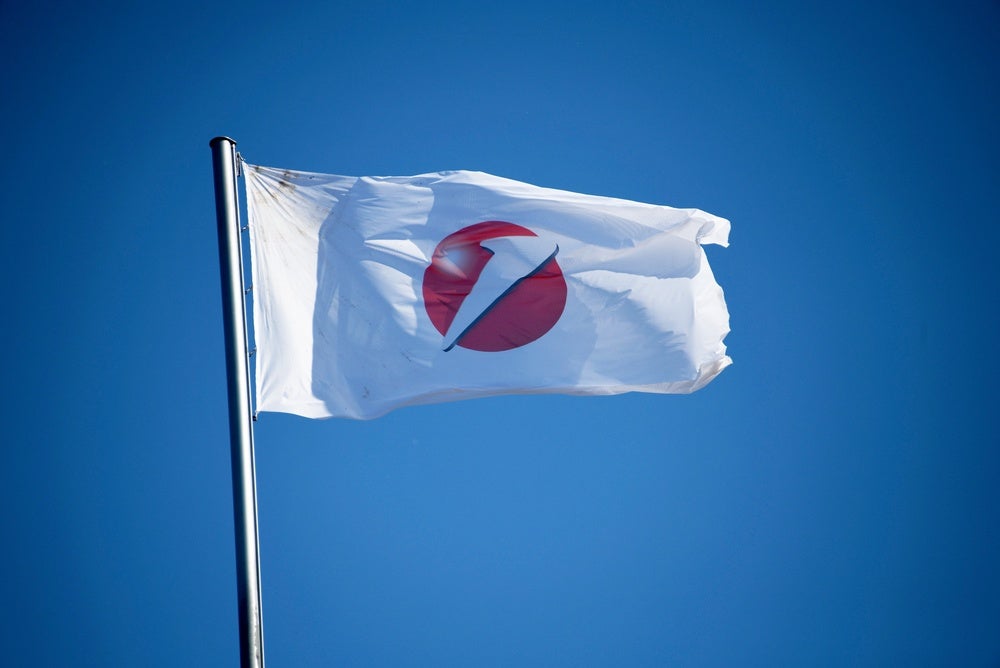
Following the news that UniCredit has won EU approval for its takeover of Commerzbank and Crédit Agricole has launched a digital bank in Germany, Rhys Hicks, Associate Banking and Payments Analyst at GlobalData, publishers of RBI offered his view.
“UniCredit’s approval to take control of Commerzbank and the launch of Crédit Agricole Deutschland are the latest moves in a growing push by foreign banks into Germany. Chase launched its own German digital bank in May, BBVA has continued to build out its offering since entering in mid-2025, and Santander is rolling out its Openbank digital brand in the country.
Go deeper with GlobalData

Access deeper industry intelligence
Experience unmatched clarity with a single platform that combines unique data, AI, and human expertise.
“Germany is a logical target as it is Europe’s largest economy and one of its biggest savings markets. Yet its retail banking sector remains fragmented and led by savings and cooperative banks. The Commerzbank deal being cleared without conditions, despite opposition, suggests regulators are increasingly willing to back cross-border deals.
“The opportunity lies in deposits. Households held a record €9.5tn ($10.5tn) in financial assets at the end of 2025, according to the Bundesbank, with over a third of this sitting in cash and deposits. Much of it earns very little, with incumbents paying existing customers well below the rates new entrants are now offering. This gives foreign banks access to a large pool of cheaper, more stable funding. This explains why Chase entered the market with a 4% introductory savings rate before offering a current account.
GlobalData 2026 Consumer Survey
“German consumers are, however, not easy to move. According to GlobalData’s 2026 Consumer Survey, 66.8% of Germans have been with their main bank for over 10 years, yet 31.3% of savers already hold savings with another provider. New entrants are therefore not trying to replace main banks outright. Instead, they are targeting the savings that sit alongside it. This keeps acquisition costs down and avoids competing head on with the Sparkassen and Volksbanken for the primary relationship.
Germany’s continued reliance on cash – a further barrier
“GlobalData’s 2026 Consumer Survey shows that 43.9% of German consumers use cash as their main in-store payment method, compared to 16.9% across the rest of Europe. Digital only banks can win savings balances, but access to cash and branches still matters for the everyday banking relationship. This is where incumbent groups have the advantage. Crédit Agricole is backing its app with 20 branches and the 1 million retail customers it already serves in Germany, while UniCredit is buying an established network through Commerzbank.
“However, the impact on market share should not be overstated. Introductory rates are costly to fund, and online savings is a crowded market where customers move their money once a better offer comes along. Deposits won on price alone rarely become a profitable relationship without the lending and investment products going with them. The bigger risk for established banks is not losing customers but having to pay more to keep their savings.
“Ultimately, success for new entrants will depend on whether they can turn savers into everyday customers while still offering the cash and branch access German consumers rely on. For the Sparkassen and Volksbanken, long tenure should not be mistaken for loyalty; holding on to savings will require more than relying on customers staying put.”