Global cyber insurance premiums are set to grow at a faster pace over the next two years as businesses respond to rising attack frequency. However, recent attacks on supermarket refrigeration systems across Europe and the record $6.3bn theft from crypto exchange Binance show that a growing share of cyber losses fall outside what standard policies cover, says GlobalData, publishers of Life Insurance International.
GlobalData Global Insurance Database
GlobalData’s Global Insurance Database forecasts that global cyber insurance premiums will grow by 6.9% to $16.6bn in 2026. Growth is then expected to accelerate to 10.0% in 2027, taking premiums to $18.3bn, as rising attack frequency, greater awareness among businesses, and the growing use of internet-connected technology push more organisations to seek protection.
Go deeper with GlobalData

Access deeper industry intelligence
Experience unmatched clarity with a single platform that combines unique data, AI, and human expertise.
The forecasts come as a cyberattack that switched supermarket fridges into defrost mode has reached the UK. Hackers disrupted refrigeration at approximately 350 supermarkets in France in October, before a second wave hit stores in seven countries, including Ireland. The UK’s National Cyber Security Centre has confirmed that UK organizations were also affected.
Much of the resulting loss is unlikely to be insured. Standard cyber policies typically exclude physical losses such as spoiled stock, while property policies with spoilage cover often carry cyber exclusions. French retailer Intermarché said its insurance did not cover the incident, while David Molony, Aon’s head of cyber solutions for Europe, the Middle East, and Africa, said most UK retailers lack the specialist endorsement required.
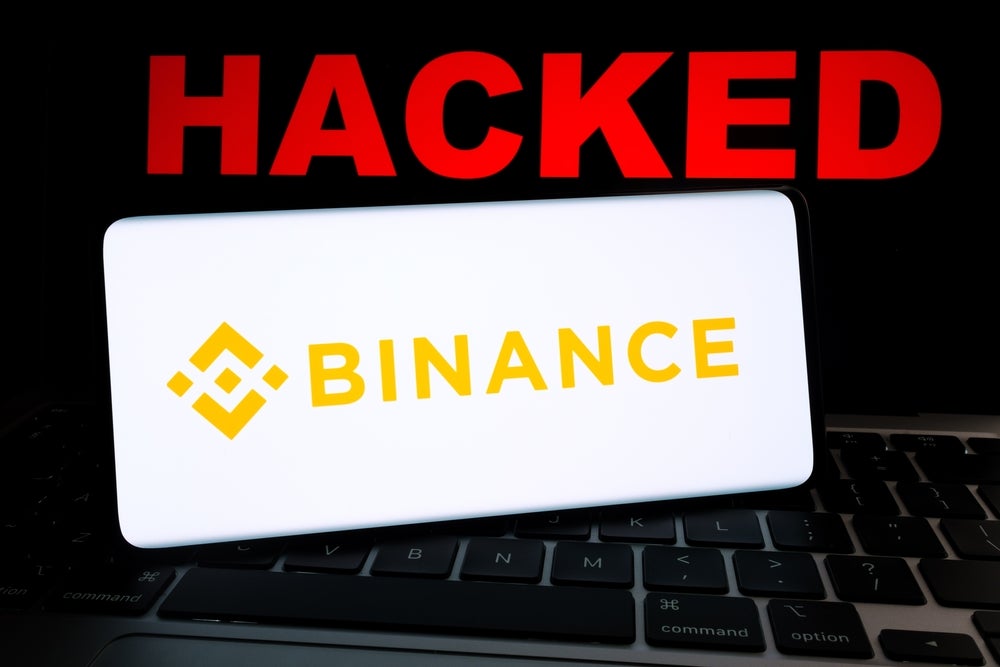
Elsewhere, Binance has published an incident report on its $6.3bn theft, the largest crypto theft on record, which the FBI has attributed to North Korean state-backed hacking group TraderTraitor. The five-month attack relied heavily on social engineering, including a fake job offer that led an engineer to download malicious code. Bloomberg Law reported that Binance had been unable to buy cyber insurance, as is the case for many crypto firms.
Charlie Hutcherson, Senior Insurance Analyst at GlobalData, said: “Demand for cyber insurance is clearly picking up, but these incidents show that the cover businesses buy does not always match the attacks they face. A supermarket losing chilled stock to a hacked refrigeration system, or a crypto firm losing funds to a state-backed group, can find that the loss sits outside its policy. Without clearer protection, businesses risk paying for cover that does not respond when it matters most.”
Losses are increasingly falling between policy lines, from physical damage caused through operational technology to digital asset theft and state-backed attacks.
Hutcherson added: “Even where crypto firms can find cover, most cyber policies exclude fund losses unless digital asset cover is added. The attribution of the Binance attack to a state-backed group adds a further complication, as it could trigger war and state-backed attack exclusions. Businesses need to understand these exclusions before an incident, not after.”
Risk and opportunity for insurers – premium growth accelerates
Hutcherson concluded: “As more operational technology is connected to the internet, attacks that cause physical damage are likely to become more common. Insurers that offer clearer wordings, specialist endorsements such as perishable goods cover, and greater certainty around war and state-actor exclusions will be best placed to capture the growth expected over 2026-27. Brokers also have an important role to play in helping businesses identify coverage gaps they may not know they have.”