Walk into almost any bank today and look at its premium current account.
The benefits are remarkably familiar. Airport lounge access. Concierge services. Travel insurance. Cashback. A metal payment card.
There’s nothing wrong with any of those features. Many customers value them. The problem is that they’re no longer particularly distinctive.
Go deeper with GlobalData


Access deeper industry intelligence
Experience unmatched clarity with a single platform that combines unique data, AI, and human expertise.
Premium banking has spent years refining the same formula, to the point where many propositions now look and feel remarkably similar.
That raises an obvious question.
Premium banking – what differentiates one from another?
If every bank offers broadly the same premium experience, what differentiates one from another?
I found myself thinking about that while reviewing consumer research we recently commissioned among more than 1,000 people across the UK.
Like many people working in financial services, I’ve seen more surveys than I care to remember claiming consumers want businesses to reflect their values or become more sustainable. Those findings rarely tell us anything we don’t already know.
One result from this research, however, made me stop and think.
When people were asked about payment cards made from alternative materials, many associated them with qualities such as craftsmanship, authenticity and exclusivity. Sustainability was part of the appeal, but it wasn’t the whole story.
That distinction matters.
For years, banks have tended to treat sustainability as an obligation. Something customers expect them to do, rather than something capable of improving a product or strengthening a premium proposition.
I wonder whether that assumption is now becoming outdated.
Customers don’t appear to separate premium and sustainability into two different conversations. They increasingly expect the two to work together.
That isn’t unique to banking.
Across many sectors, premium brands have realised that provenance, authenticity and responsible sourcing can enhance perceived quality rather than diminish it. Consumers buying high-end food, clothing, furniture or cars are often interested in where products come from and how they’re made. Financial services may simply be catching up.
Banks have understandably focused on digital innovation over the past decade. Mobile apps have improved enormously. Payments have become faster. Customer journeys have become smoother.
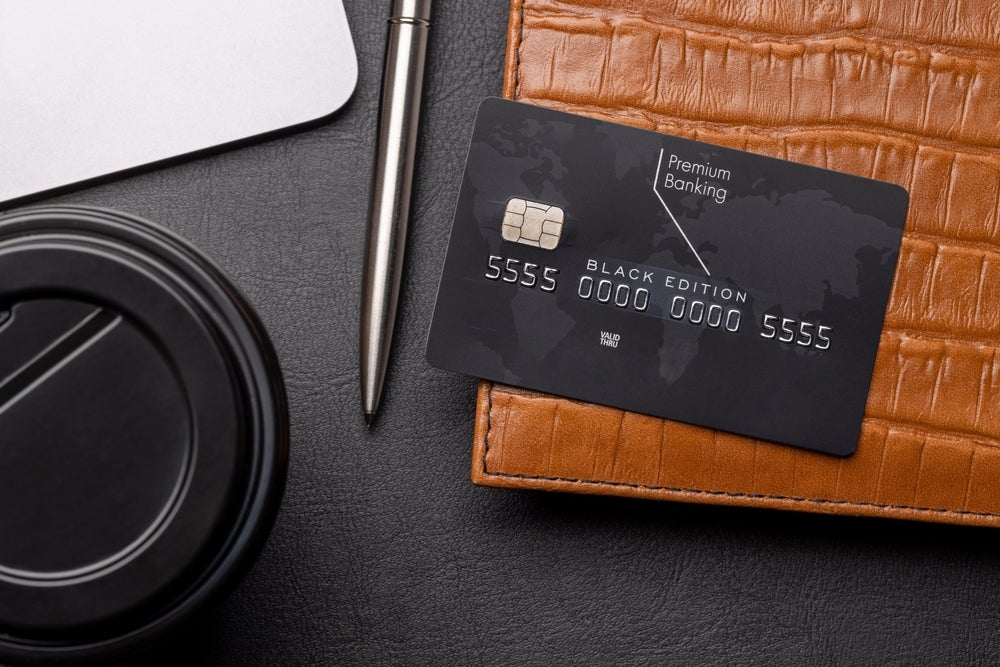
Yet the physical payment card remains one of the few tangible products a bank places in a customer’s hand.
That makes it surprisingly important.
For many customers, it is still the most visible expression of the relationship they have with their bank.
Which is why I think premium payment cards deserve more attention than they sometimes receive.
For a period, metal cards became the symbol of premium banking. They looked different. They felt substantial. They helped banks create a clear distinction between standard and premium accounts.
Differentiation rarely stands still
Once every premium proposition includes a metal card, it stops being a differentiator and starts becoming another category expectation.
Banks then need to ask themselves what comes next.
Our research wasn’t designed to identify the next winning payment card material, nor does it suggest consumers are suddenly abandoning existing premium propositions.
What it does indicate is that customers are open to alternatives that combine quality, design and environmental responsibility.
That should interest every bank competing for affluent customers.
The broader lesson has little to do with payment cards.
It’s about complacency.
Premium banking has become a mature market. When markets mature, businesses often continue improving existing products while missing shifts in customer expectations taking place around them.
History is full of examples.
Luxury hotels didn’t lose customers because their rooms became worse. They lost ground when travellers began looking for different experiences.
Car manufacturers didn’t transform their strategies because engines suddenly stopped working. They adapted because customer priorities changed.
Banking is no different.
The danger isn’t that today’s premium propositions are poor.
It’s that they have become predictable.
Consumers still value quality. They still appreciate convenience. They still expect excellent service.
Why premium is about more than just benefits
But premium increasingly seems to be about more than exclusive benefits alone.
It’s about products that feel considered. Products with a story behind them. Products that reflect both quality and values.
Whether that involves different payment card materials or something else entirely is almost beside the point.
The more important question is whether banks are asking themselves often enough what premium customers will value five years from now, rather than continuing to refine what worked five years ago.
That, I believe, is where the real opportunity lies.
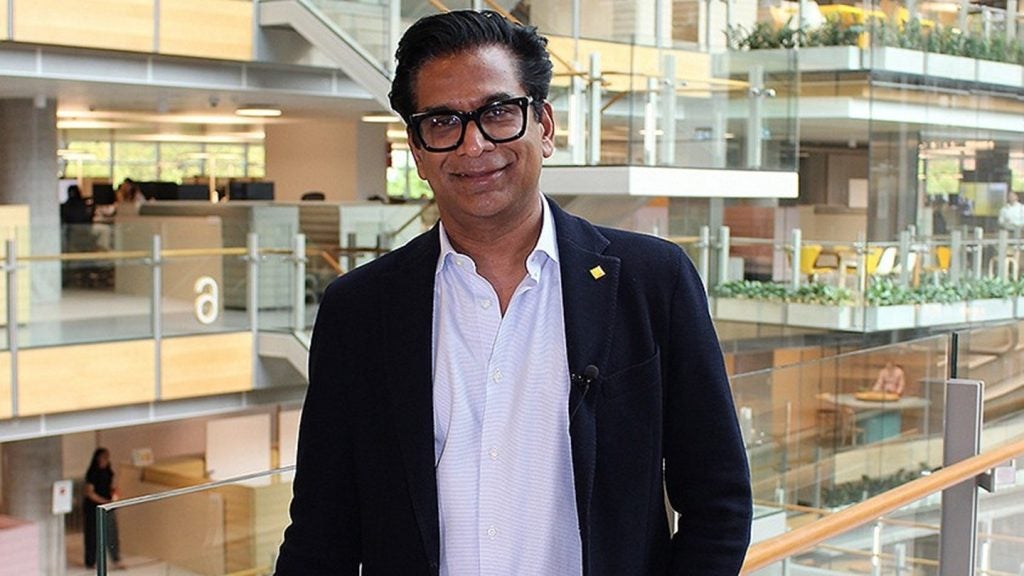
Ashwini Pandey CEO of Copecto