
Japanese regional banks are shrinking their operations in China and looking increasingly to Southeast Asia and India, Nikkei Asia has reported.
The move comes as labour costs rise in China and Japanese manufacturers face growing difficulties there.

Access deeper industry intelligence
Experience unmatched clarity with a single platform that combines unique data, AI, and human expertise.
Nikkei Asia said its findings were based on a report by the Regional Banks Association of Japan and interviews, covering the overseas networks of 61 Japanese regional banks.
China still accounts for almost half of the offices, branches and local subsidiaries operated overseas by these banks.
However, the number of locations in China fell from 50 in April 2021 to 40 at the end of March.
The retreat is showing up in individual closures.
In May 2025, Hokkaido Bank closed its Shenyang office, ending 19 years of operations there.
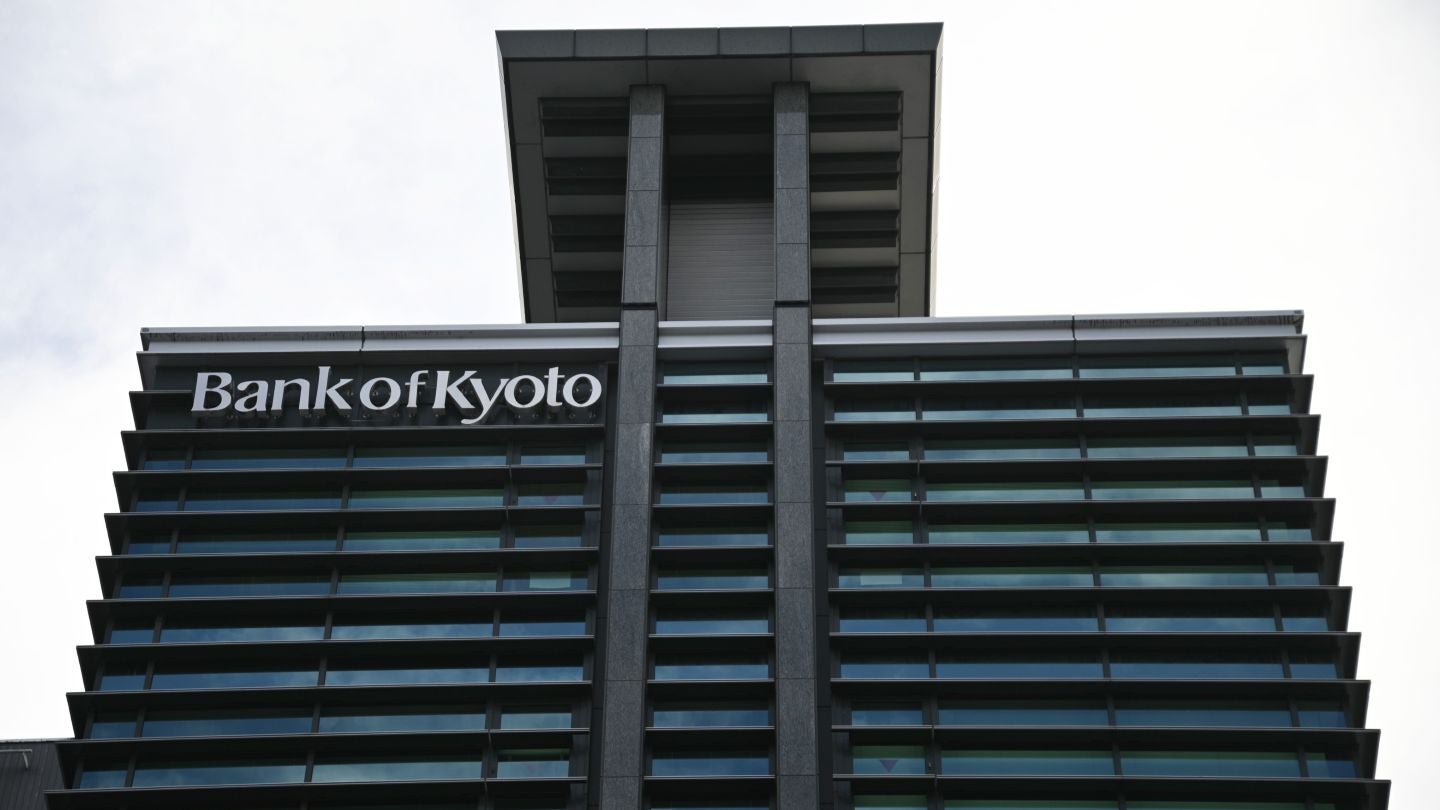
Bank of Kyoto also shut its Dalian office last year and folded its activities into the bank’s Shanghai office.
Explaining the decision, the bank told Nikkei Asia: “As the burden of maintaining the branch increased, customer needs were also falling, so we downsized.”
Japanese regional banks had expanded into China rapidly in the 2000s, when the country’s strong economic growth attracted Japanese manufacturers.
Their local offices played an important role at the time, helping companies such as automotive parts makers understand tax systems and regulations as they expanded into the market.
That environment has since changed.
Japanese carmakers including Mitsubishi Motors and Honda Motor have withdrawn from China or reduced production there. As their corporate clients pull back, regional banks are also closing operations that in some cases had been in place for around 25 years.
The trend is not limited to regional lenders. Japan’s three largest banks have also seen slower lending activity in China.
Sumitomo Mitsui Banking Corporation (SMBC) reduced loans in China by 40% over the five years from the end of March 2021, from $51.9bn. The figures include Hong Kong and other local subsidiaries.
Over the same period, MUFG Bank’s loans fell 20% from about 3.5 trillion yen ($21.9bn).
Mizuho Bank, including local subsidiaries, also recorded a decline of more than 30%.
The pressures behind the shift are broad.
Higher labour costs and rents in China are weighing on Japanese manufacturers, which are major clients for these banks.
There are also concerns about risks specific to China, including tighter regulation under Hong Kong’s national security law.
As banks reduce their exposure to China, they are continuing to expand elsewhere in Asia.
Southeast Asia is attracting attention because many countries in the region still offer comparatively low labour costs and growing populations.
Chiba Bank opened a branch in Singapore in January 2025. The office covers nearby markets including Thailand and Vietnam, as well as Australia.
India is also emerging as a target market. In 2025, Japan’s three biggest banks each made investments in India.
Among regional lenders, Kyoto Financial Group, the parent company of Bank of Kyoto, plans to open a representative office in India. It said the move would be the first expansion into India by a Japanese regional bank.