
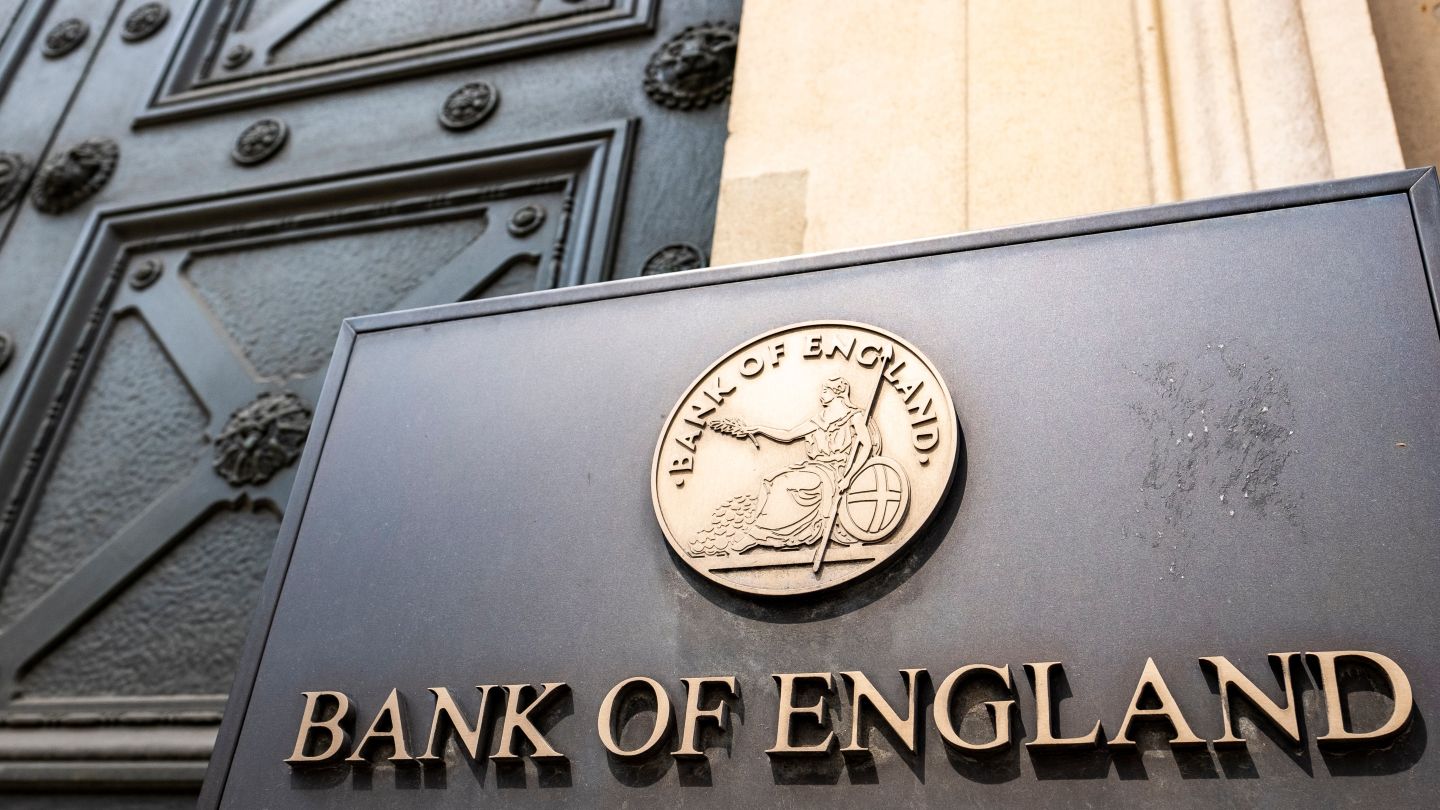
The Bank of England (BoE) has revised its guidance on handling bank failures, introducing an alternative bail-in mechanism that changes how bondholders may be compensated during a rescue.
The central bank said it made the update after receiving assurances from US regulators.

Access deeper industry intelligence
Experience unmatched clarity with a single platform that combines unique data, AI, and human expertise.
The BoE said it had obtained a no-action letter from the US Securities and Exchange Commission (SEC), signalling that US authorities would not pursue enforcement action linked to use of the new mechanism.
The BoE’s resolution regime is designed to allow banks to fail safely without interrupting critical services, including payments and access to deposits, and without drawing on public funds.
It also said the regime requires firms to plan for failure in advance, which it argued helps protect financial stability and supports confidence in the banking system.
Alongside the updated bail-in guidance, the BoE issued a new operational guide explaining how it could carry out a transfer resolution.
This could involve moving some or all of a failing firm’s business to a private sector buyer or to a temporary BoE-owned bridge bank. The guide also sets out how the BoE may require a recapitalisation payment.
The document expands on how resolution powers could be used to execute sales in a bank failure scenario.
In a bail-in resolution, a failing firm is recapitalised by imposing losses on shareholders and creditors, the BoE said.
The BoE said lessons from the failures of Credit Suisse and Silicon Valley Bank informed the new guidance.
A key addition is an alternative bail-in approach where affected creditors receive non-transferable contingent beneficial interests.
The BoE said these interests are intended to simplify the process and represent a potential right to shares, or to proceeds from the sale of shares, once resolution has concluded.
It added that the interests would be created when a firm enters resolution and would remain in place until the share allocation for relevant creditors is finalised.
Both operational guides also include further detail on how the BoE would implement a resolution for a building society.
BoEexecutive director of the resolution directorate Ruth Smith said: “This guidance gives further clarity and additional transparency on how the bank, as the UK’s resolution authority, would operationally manage a bank failure, whether through bail-in or transfer.
“By continuing to establish a shared understanding of how plans would be implemented in stress, we strengthen our preparedness and responsiveness to act if needed.”
The update comes as US SEC chair Paul Atkins said last week he had directed staff to draft a rule exempting banks from registering securities offered and sold as part of a foreign bail-in rescue with the SEC.