India’s Ministry of Finance has urged public sector banks to ramp up rural expansion—especially in villages with populations above 3,000. This push coincides with strengthening rural demand and incomes, suggesting that wider branch networks could both accelerate financial inclusion and unlock new growth for banks, while also improving deposit mobilisation to counter system-wide funding pressures. However, lenders will need to manage agriculture-linked credit risk as they scale.
As per BCG, India has one of the world’s largest rural populations at around 920 million individuals—exceeding the US (around 340 million) and the European Union (around 450 million). Under the Pradhan Mantri Jan-Dhan Yojana initiative, India’s government has facilitated the opening of approximately 560 million basic bank accounts.
Go deeper with GlobalData


Access deeper industry intelligence
Experience unmatched clarity with a single platform that combines unique data, AI, and human expertise.
The next phase of rural banking expansion aims to strengthen usage and deepen the range of services available beyond basic account ownership. GlobalData findings note that Indian consumers continue to prefer in-branch services, reflecting limited awareness of digital banking and lower internet and smartphone penetration despite improving literacy.
GlobalData Market Driver Analytics
According to GlobalData’s Market Driver Analytics, smartphone penetration in India is expected to reach 61% by 2026, with most of the increase likely coming from urban areas—reinforcing the need for physical touchpoints. While network infrastructure has improved (network intelligence provider Ookla claims that 88.9% of rural villages have 4G signal and 77.8% of rural villages have 5G signal), household-level internet usage remains materially lower. Key barriers include inconsistent indoor connectivity, the cost of compatible devices, unreliable electricity, and limited digital literacy.
At the same time, rural economic activity is strengthening and, in some segments, appears to be outpacing urban demand. Government data from July 2025 indicates that 76.6% of households reported increased consumption and 39.6% reported higher incomes over the past 12 months. In addition, 20.6% reported higher savings and 74.7% expect income growth over the next 12 months. In this context, expanding branch networks can broaden banks’ customer bases and enable rural consumers to access a wider suite of products (including deposits, credit, remittances, insurance, and payments) than is typically available via smaller regional institutions.
Greater rural penetration could also support balance sheet resilience. With agriculture still central to the economy, farmers need timely access to finance for crops, equipment, and working capital. A stronger rural presence would allow banks to meet this demand more effectively while improving deposit mobilisation through local savings, helping address the sector-wide challenge of credit growth outpacing deposit growth.
Branch numbers rise by 25% in Q42026
However, banks must manage credit risk carefully, as repayments are closely linked to agricultural cash flows and can be disrupted by adverse weather. Reflecting the strategic importance of rural markets, BFSI News notes that banks are already scaling their footprint. The total number of branches operated by Reserve Bank of India-approved institutions recorded year-over year growth of 25% in the fourth quarter of FY 2026, rising from 43,227 to 54,212.
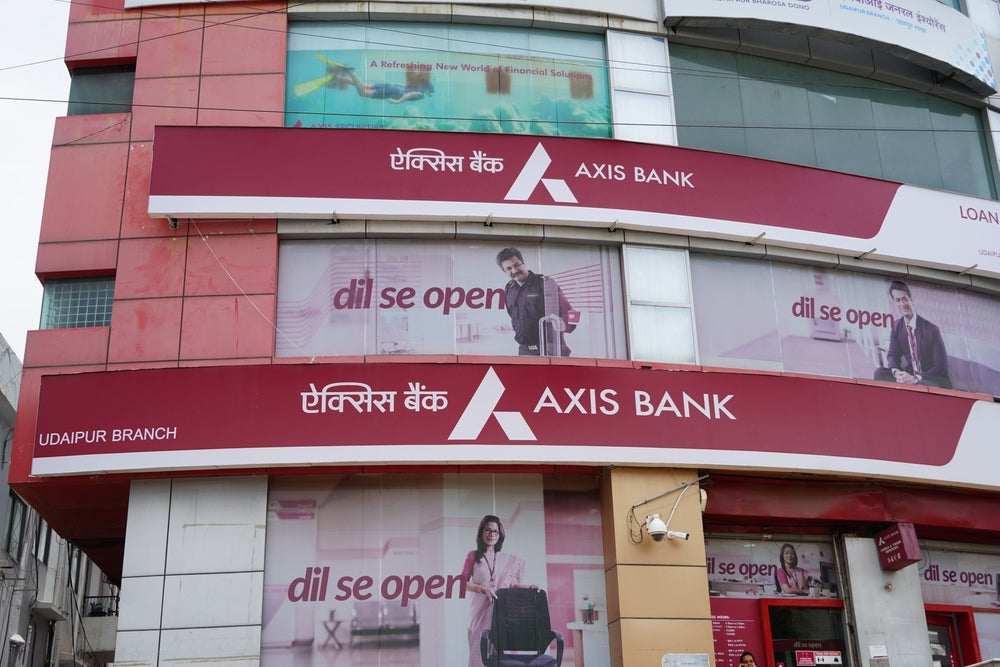
State Bank of India is aiming to open an additional 300–400 branches annually over the medium term, while Axis Bank plans to open 500 new branches in FY 2027, targeting semi-urban and rural markets.
Overall, deeper rural expansion can accelerate financial inclusion by improving access to savings, credit, and essential financial services where digital adoption remains uneven. For banks, this strategy offers sustainable growth through a broader customer base and stronger deposit mobilisation, thus supporting a more balanced funding profile.
Bhavya Patel is an Associate Analyst, Banking & Payments, GlobalData