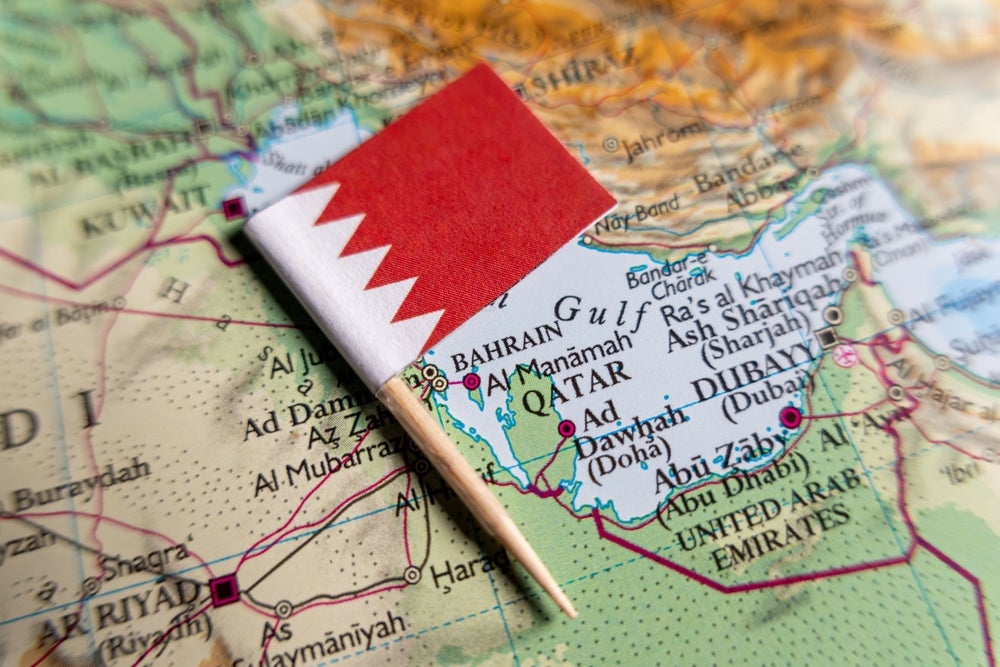
Bahrain stands out as one of the more exposed GCC banking systems if the regional conflict becomes prolonged, according to S&P Global Ratings, although Gulf banks hold sufficient liquidity to withstand severe funding stress.
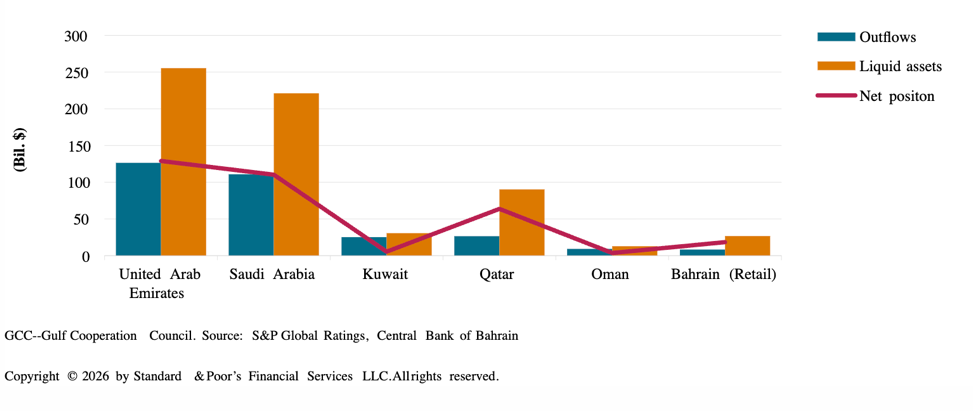
In its 16 March report, the ratings agency said GCC banks could face domestic deposit outflows of up to $307bn under a severe stress scenario, based on year-end 2025 deposit levels across six Gulf banking systems. Furthermore, it identified Bahrain’s retail banks as more vulnerable than regional peers due to recent growth in external debt and thinner funding buffers.
No major funding outflows to date
S&P said it had seen no major funding outflows so far and described the regional risk as manageable at this stage. In a scenario analysis published earlier this month, the agency also identified Bahrain and Qatar as more exposed to potential capital outflows.

Access deeper industry intelligence
Experience unmatched clarity with a single platform that combines unique data, AI, and human expertise.
This contrasts with the broader regional position.
S&P said GCC banks hold about $312bn in cash or central bank reserves, providing a first line of defence against severe deposit outflows. Lenders could also raise a further $630bn by selling investment portfolios, assuming a 20% loss, suggesting liquidity pressures would remain manageable under the agency’s stress scenarios.
The ratings agency’s base case assumes the most intense phase of hostilities lasts two to four weeks, although it warned that second-round effects could last longer. If pressures intensify, S&P said Gulf regulators would likely provide targeted support, as they did during the 2020 Covid-19 crisis.
The report said four of the six GCC governments continue to strongly support their banking sectors, reinforcing expectations of official backing if liquidity conditions tighten materially.
Beyond funding, the report identified as the bigger risk if the current situation persists. In a high-stress scenario—either a 50% increase in non-performing loans or an NPL ratio of 7%—total losses across the GCC’s 45 largest banks could reach $37bn. The sectors most at risk include logistics, transportation, tourism, real estate, retail and hospitality.
The report suggests GCC banks remain resilient overall, but a prolonged conflict would test weaker funding structures more quickly across the region. Bahrain is likely to remain the most closely watched market if liquidity conditions tighten.