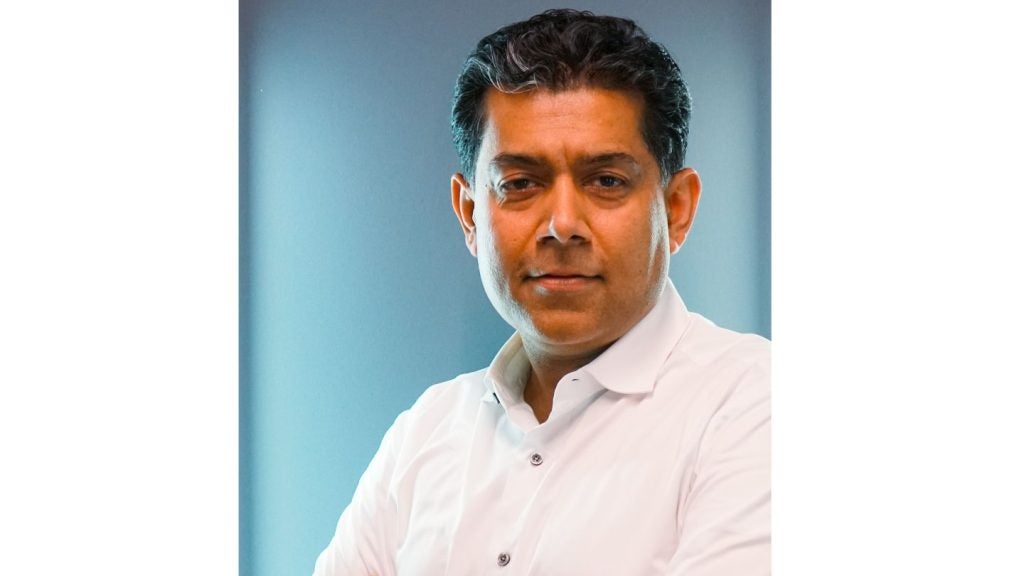

HSBC Holdings CEO Georges Elhedery said AI will remove some positions while also leading to the creation of others, as he called on staff to adjust to the change rather than push back against it.
“We all know generative AI will destroy certain jobs and will create new jobs,” Elhedery said during an investor and analyst session in Hong Kong.
Go deeper with GlobalData


Access deeper industry intelligence
Experience unmatched clarity with a single platform that combines unique data, AI, and human expertise.
He said it was important to keep employees involved in the process, adding that staff should be “on the journey with us, not fighting us, not disenfranchised, not anxious, overwhelmed and resisting the change.”
The remarks stood in contrast to comments from Standard Chartered CEO Bill Winters.
Speaking a day earlier, Winters gave a more direct view of automation’s effect, saying the bank’s AI drive would remove thousands of roles as technology takes over work now done by what he described as “lower-value human capital”.
Standard Chartered is planning to cut more than 15% of its roles by 2030 as it expands the use of AI across the business.
Elhedery said HSBC is offering workers training and coding support as it prepares for the disruption.
The lender is already using AI to speed up client onboarding and improve financial crime risk monitoring.
His comments came at the start of a two-day Asia seminar setting out the London-based bank’s growth plans.
Elhedery has spent the opening months of the year working from Hong Kong, HSBC’s biggest and most profitable market.
Even so, the move towards more automation suggests a smaller workforce over time.
Bloomberg reported in March that HSBC was considering significant job cuts in the years ahead, with Elhedery looking to use AI to reduce headcount in the middle and back office.
Those changes could eventually affect about 20,000 roles, or roughly 10% of the bank’s total workforce, a person familiar with the considerations said in March.