Revolut had abandoned its plans to acquire a US lender. The update from January 2026 might appear unremarkable in isolation. Neobanks are aggressive entities. They have seized a sizable market share from mainstream institutions, fuelled by their ambition to revise the status quo.
Yet in the case of Revolut, the decision reflects a collective movement by European neobanks to extend across the Atlantic and establish a foothold in the world’s largest fintech market.
Go deeper with GlobalData


Access deeper industry intelligence
Experience unmatched clarity with a single platform that combines unique data, AI, and human expertise.
It’s a story that’s been unfolding over the last five years. In the case of Revolut, it has been openly considering creative expansion avenues. Buying a nationally chartered bank would have let Revolut bypass the lengthy application process, replacing years of licensing hurdles with instant access to a ready‑made, regulated US banking operation.
Why the changed tact?
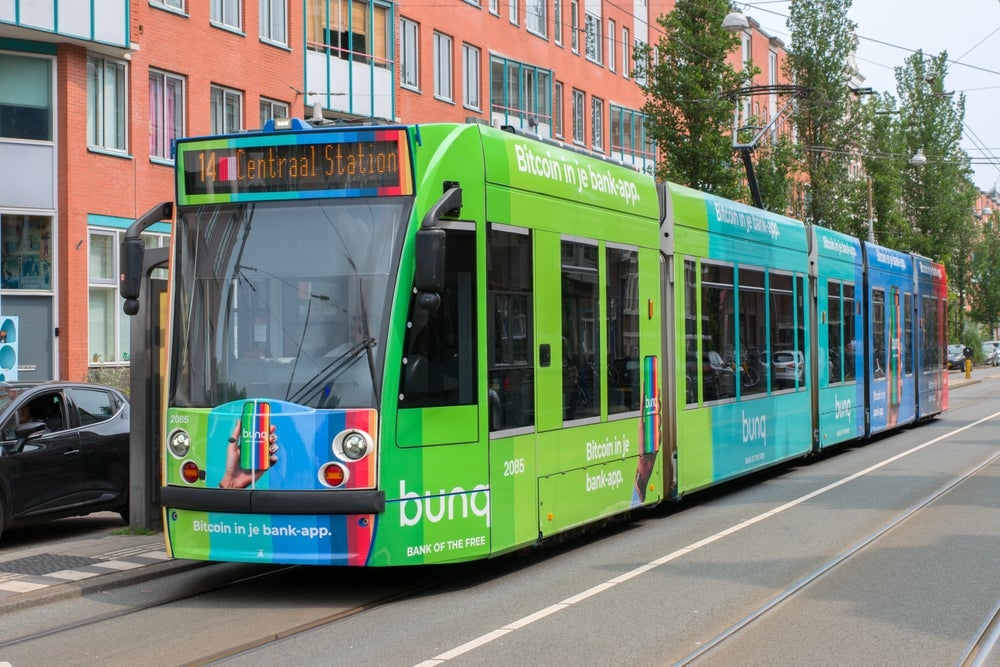
Revolut is betting the US administration’s deregulatory push and overhaul of the Office of the Comptroller of the Currency (OCC) will ensure a faster and more efficient application process for a UK banking license that will favour their market entry. It’s not alone in its thinking. Monzo is reconsidering a new application after an initial attempt in 2021. Europe’s second-largest neobank, bunq, has also filed for a US de novo banking licence with the OCC.
That’s not to imply the application will be anything close to simple. The process can take years, with tough compliance expectations, extensive reviews and stretched timelines where little updates from the regulator are offered. Just how simple the process will, and continue to, be is unknown. The path to a US licence is as much a trial of patience and regulatory fortitude as it is a strategic milestone.
Why then the US?
Does it really offer the conditions needed for these fintechs to catalyse growth and generate consistent revenue flows?
The US is attractive to fintechs because it offers the world’s deepest fintech investment pool, enormous consumer adoption and revenue potential, and powerful innovation hubs like Silicon Valley and New York.
They can scale its technologies, seek new capital investment, appeal to new categories of clients, become a reputable global brand and be better placed for an eventual IPO on an exchange like the NYSE. Above all, it gives them the opportunity to refine a revenue-driven financial offering that is not dependent on new markets and new service launches to maintain growth targets.
Yet we cannot ignore the geopolitical restructuring of the international order. The international integration of global economies, supply chains and workforces means that companies with an international footprint are exposed to market volatility spurred on by political and economic events. From a public perspective, it’s the reason why we’re seeing big tech companies and financial institutions regularly engaged in government discourse.
Their presence helps guide government agendas to the benefit of their sectors.
The US under the Trump administration is radically reshaping a global system drifting towards multilateral governance. The announcements made at the 2026 World Economic Forum in Davos will be recognised as the beginning of a political world order defined by multipolar blocs and the fragmentation of Western alliances. That is should the current course of policies pursued by the US continue.
Unpredictable political environment, regulatory challenges
This might not seem wholly relevant to fintechs looking to the US but in this new era of business, it cannot be ignored. International firms are entering an unpredictable political environment. While the Trump administration has pursued deregulation, governing bodies could be hostile to foreign companies entering the US market – this would align with the country’s protectionist agenda we have seen unfold in the last 12 months.
If fintechs are granted banking licenses, one would argue the real challenge begins. Intense competition from well-funded incumbents means clear product-market fit, robust compliance, sufficient capital and strong local partnerships. Should they struggle and withdraw from the US, the implications and brand reputation will be significantly damaged.
Fintechs like Revolt, bunq and Monzo are enjoying profitable cycles. Their first aim should be sustaining this in the markets they operate in over the long-term, independently of any major country expansion. The US should complement this approach. How they enter is a matter of preference.
Optimising brand strategy
However, given the prolonged and unpredictable nature of the banking license process, there are creative strategies fintechs can deploy now to support their efforts.
Part of that is driven by brand awareness, identifying and amplifying a US demand for their product and services through communication campaigns that span all marketing channels.
The reality is that fintech success is a product of attitude. Products overlap, perks are similar and human preferences towards money management largely stays the same. Generating a brand that embodies the values that will appeal to US demographics in its various forms, backed by an innovative service offering, has to complement any business attempts to enter the US market.
Rhys Merrett, SVP, The PHA Group